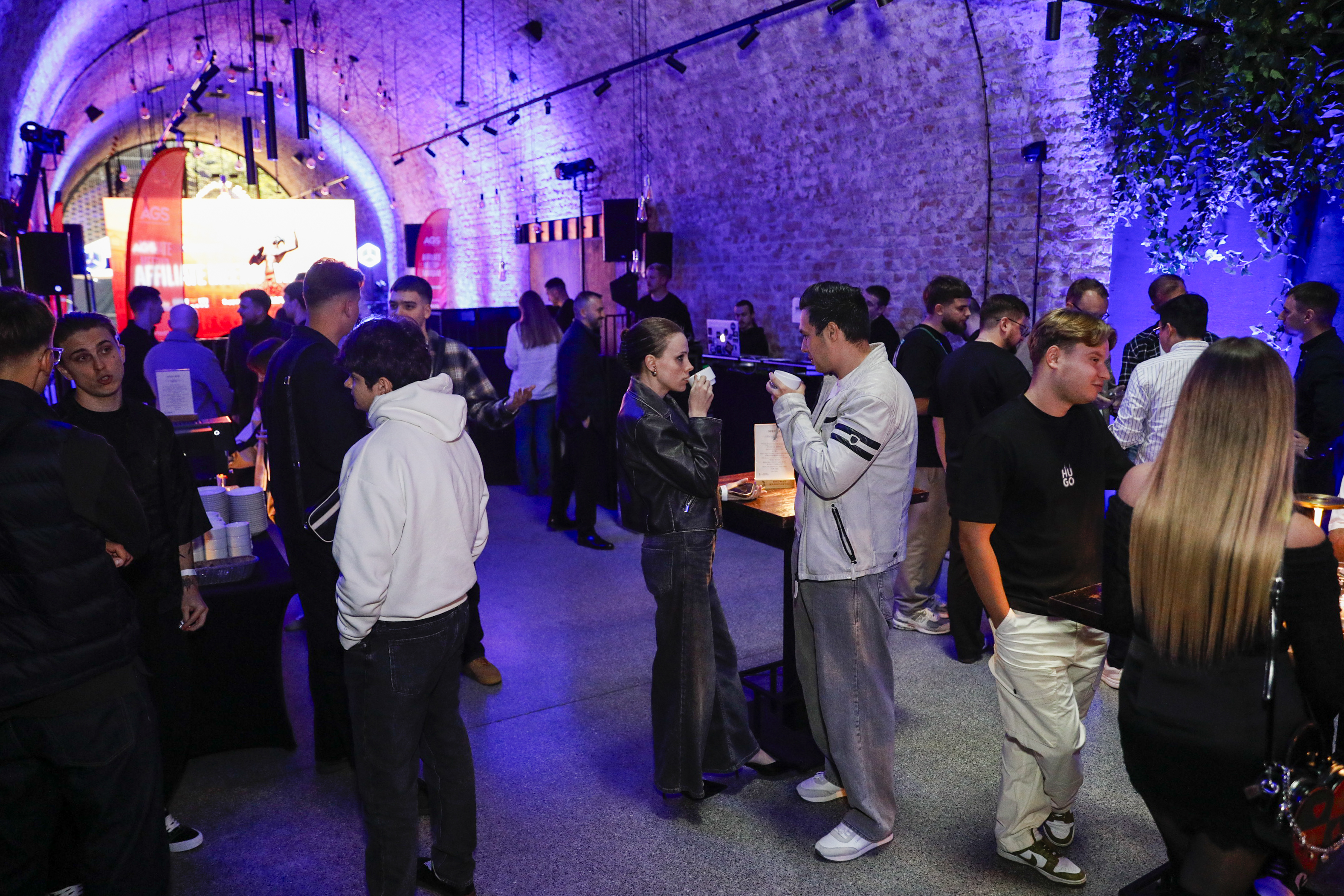
On 25 September 2026, Affiliate Grand Slam held its Warsaw meetup at Browar Warszawski, an event space in Warsaw’s Wola district. Six speakers gave talks in Russian, sharing fresh data on where media buyers are moving traffic during the Facebook storm, what AI really changes in-app and in creative production, and why growing teams break without middle managers. One question ran through the programme: what should a media buying team do when its main source stops working? Here is what the speakers said.
Words by Anna Sarmina
Alex Krukau, CCO and co-founder of Sator Apps, an app rental service for media buyers, argued that traffic has two prices: the price of a click, and the price of access, meaning accounts, proxies, cards, apps, creatives and a tracker. In earlier Facebook storms, a single buyer could spend $7,000 to $10,000 on these consumables without seeing a click in the tracker, he said, and “money was gone before Facebook started bringing any traffic”.
He linked the current bans to Meta’s risk model, citing a November 2025 investigation into internal documents that showed Meta projected that about 10% of its 2024 revenue, roughly $16 billion, would come from scam and banned-goods ads. Meta now blocks whole clusters at once, he said: one flagged element pulls down linked accounts, pages, domains and payments, so a storm amounts to a mass recalculation of risk.
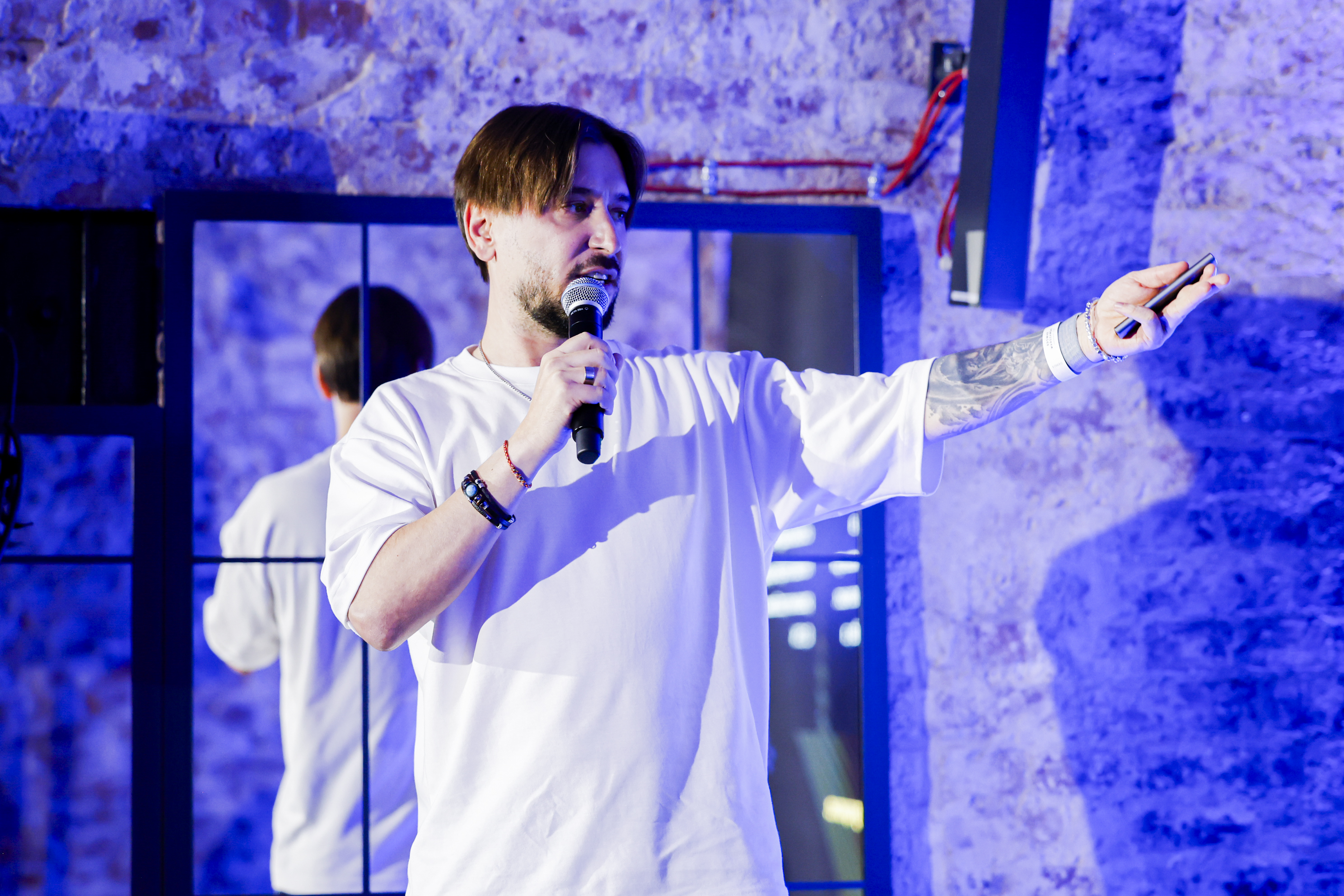
To show where volume is going, Krukau shared data from Sator Apps itself, which works with 65 connected teams and more than 50 active iOS and Android apps. In July and August, Facebook was the largest source, accounting for almost 39% of install volume, followed by AppLovin, Unity, Google UAC, Snapchat, and TikTok. In the first half of September, the picture changed: Facebook’s share halved to 21%, dropping it to third place, while Unity roughly doubled and, together with AppLovin, took 76% of volume. TikTok, despite easy access, did not pick up any of the outflow, and Google UAC fell from 5% to under 1%, which Krukau explained by saying “it fell not because teams left, but because apps stopped passing moderation”.
Krukau described access as something paid for in two currencies: money and approval. On the money side, Unity is a balance-dependent network, and in his experience, tests need at least $3,000 to $5,000; the balance should not drop below about $7,000, and a proper entry costs $15,000 to $20,000. Approval is the harder barrier on AppLovin. The $50,000 often quoted there is a scale benchmark, not an entry ticket. What decides the outcome is whether moderation lets a campaign launch, and offshore-licensed apps now rarely pass it, while even white betting apps struggle. His advice was to expect a period of double financing and to put up to 20% of current profit into tests.
Sergey, Media Buying Team Lead at the Betoholic Team, has more than 12 years of experience in traffic and mostly buys display traffic for the team’s affiliate products. He showed the stats of three sources on the same geo and offer and asked the room to name them. The guesses were Facebook every time, but the third, one of the best by quality, was Google PPC with non-brand keywords, according to September data from colleagues.
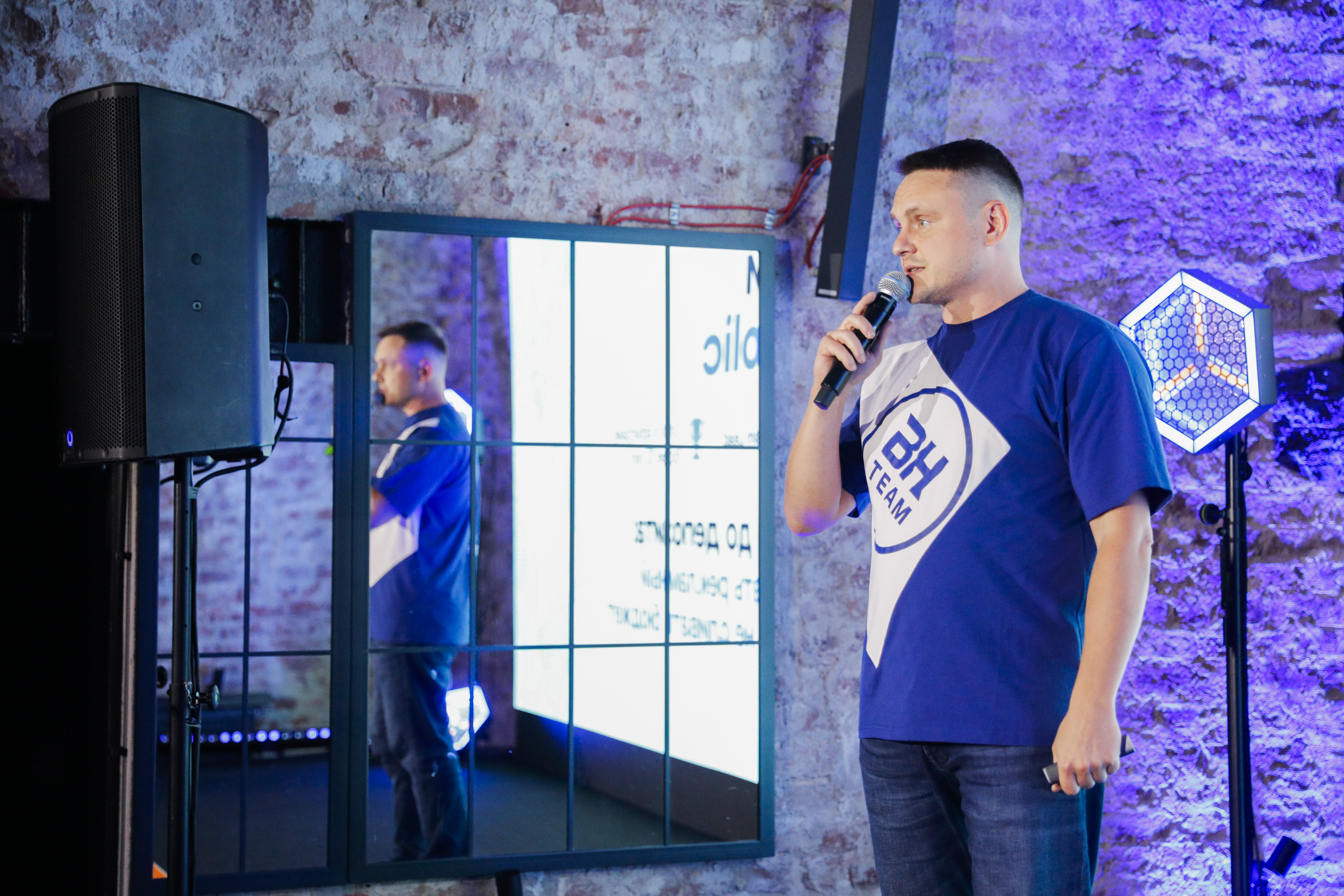
His point came from a mistake of his own. When he moved from nutra to gambling, he judged every source by cost per deposit alone. On an Egypt geo paying $20 per deposit, he switched off traffic that was costing $39, and sometimes $80, because it looked far too expensive. Three to four months later he went back to it: the traffic had paid off for the advertiser, and competitors had already bought it. Cheap does not mean good, he concluded: an advertiser would rather get one deposit from a strong source than two from a weak funnel, and buyers who bring only the cheapest leads rarely earn bigger caps.
He also pointed to an asset teams often overlook. After an app ban, they start from scratch, although the audience they already bought sits in their trackers as registrations and depositors, and he suggested retargeting it through pop and native networks. His summary of the approach: “I trust numbers more than people”.
Oleksa Braila, CEO of Epic Team, part of Legends Group, said the company’s headcount fell over the past year from 85 to more than 20, and its design team from five to one operator, while the number of apps it releases rose from roughly 100 to 120 a year ago to about 500. People remain necessary, he argued, because AI still cannot guarantee store approval, interpret policy changes, handle appeals, judge which designs convert or take responsibility for budgets. “AI is great, but money is not made by AI alone”, he said.
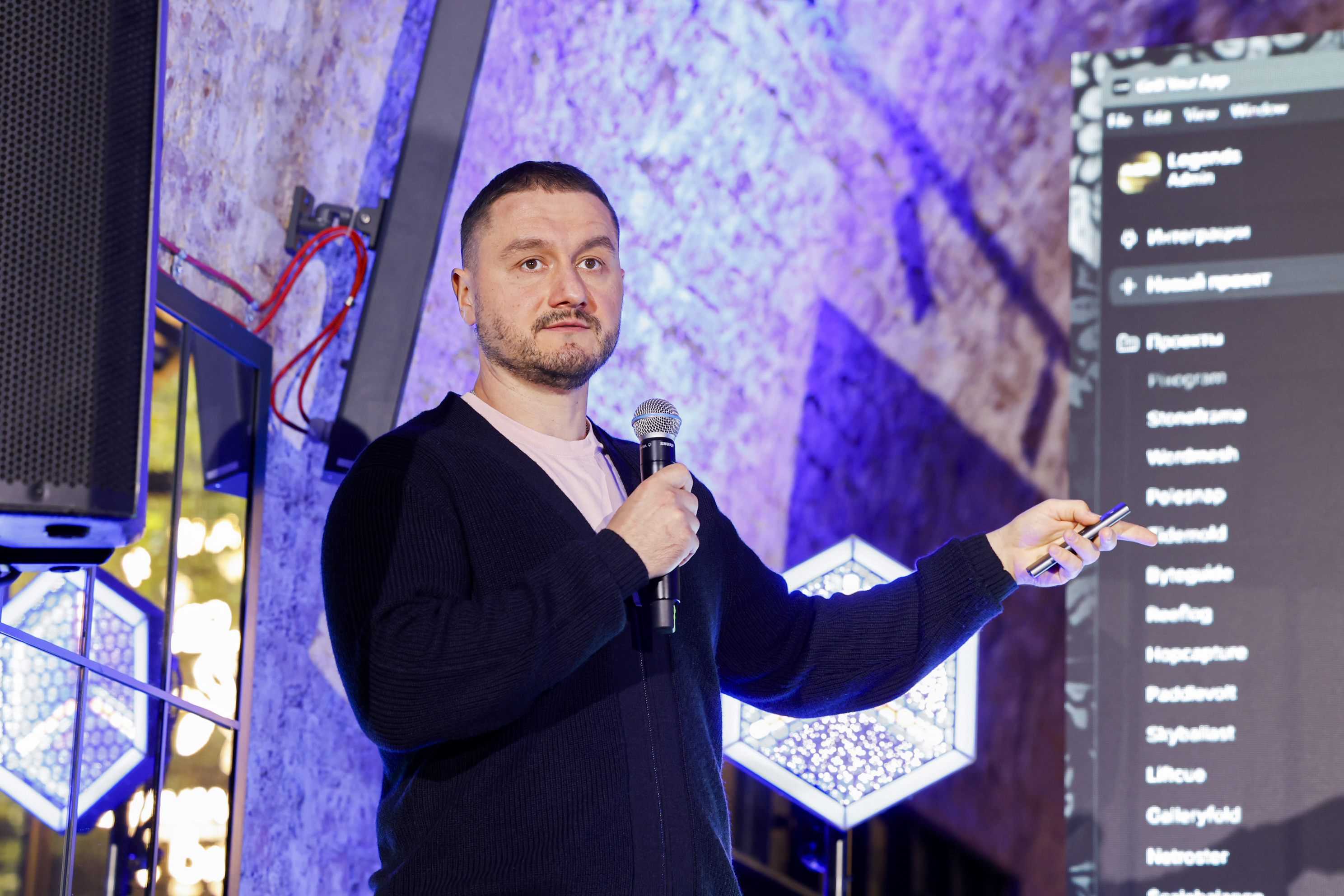
Andy Dollar, co-owner of Creogen and Beelo.ai, said his team’s first AI rollout, with GPT, Figma, and Midjourney subscriptions, increased headcount and payroll rather than cutting them. The team then built an internal workflow that chains AI services: a designer sets variables and receives a batch of creatives, and a second flow generates variations of winning ads. The goal is not a flood of creatives but to find winning ones, since generating them costs real money. Two people are responsible for controlling creative production for about 30 buyers. His rule: “scale the result, not the headcount”.
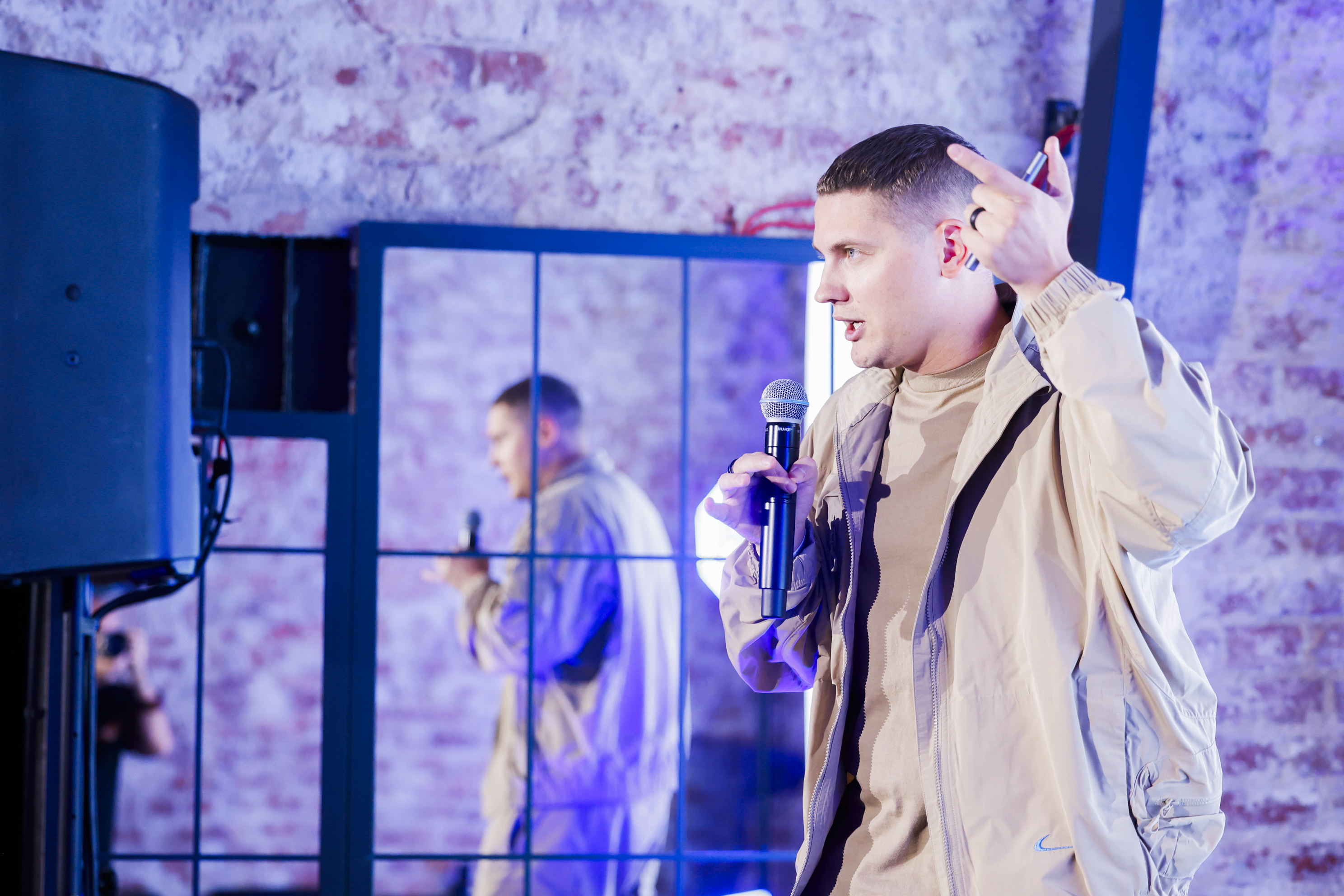
Oleh Kupets, owner of KupetsTeam and an Executive MBA student, said that of 96 teams in his affiliate programme, 26 closed within a year. In his review, they had weathered market storms but never moved from a founder with assistants to a layer of middle management. “A person takes over the work, but does not take over the decisions”, he said.
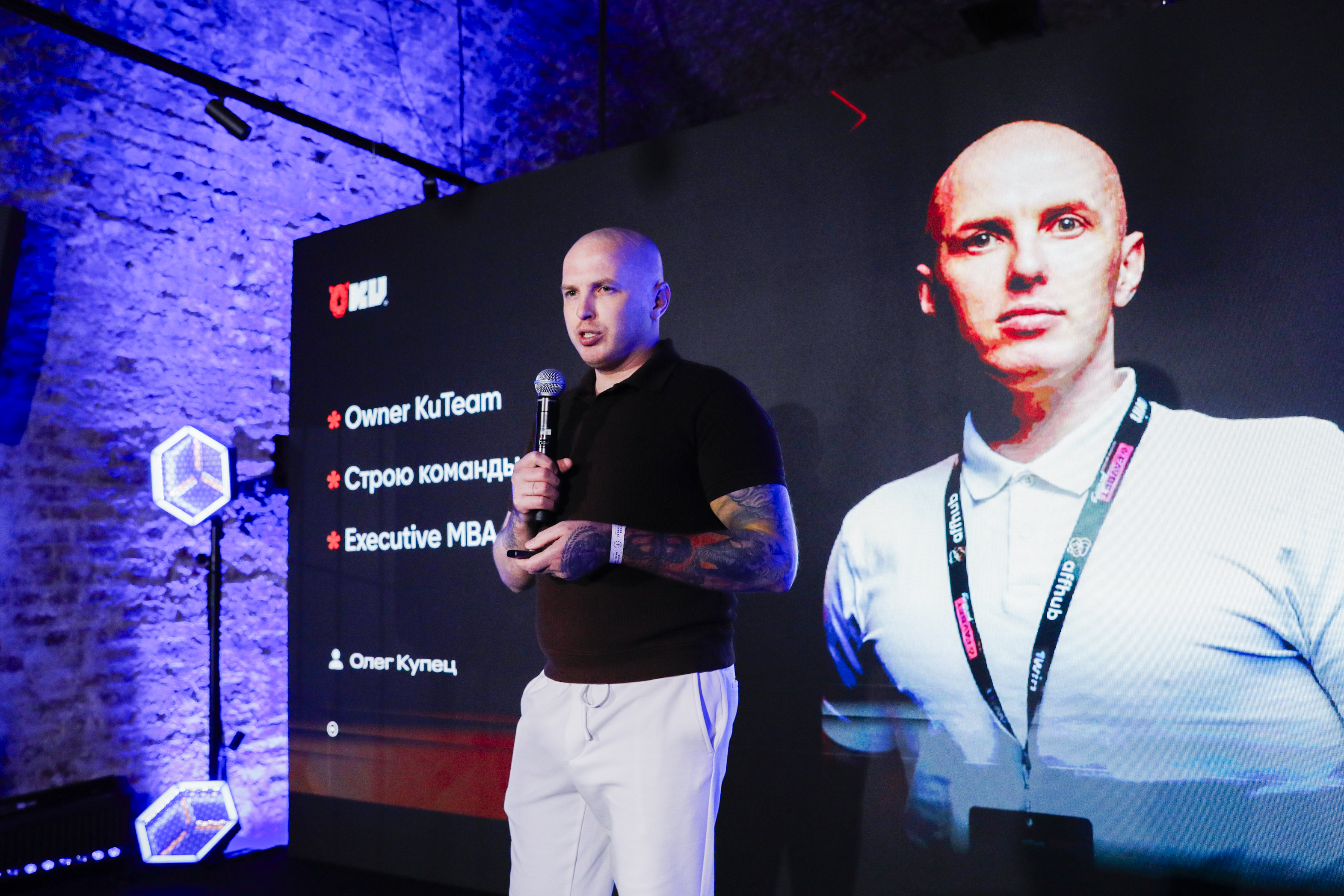
To check whether a founder is the bottleneck, he suggested five self-measurements, ranging from tracking how long people wait for the founder’s answer to keeping a one-week diary of every task that takes more than 15 minutes and noting who else could have done it. In his own diary, about 70% of tasks could have gone to someone else. His other rules of thumb: a strong specialist who waits on colleagues for more than eight hours a week will leave; a lead with more than five direct reports needs a new subteam; and, without middle managers, a company tops out at 50 to 70 people. In the Q&A he said the fastest promotion from buyer to lead in his team took six months, and that the best buyer is not automatically the best lead.
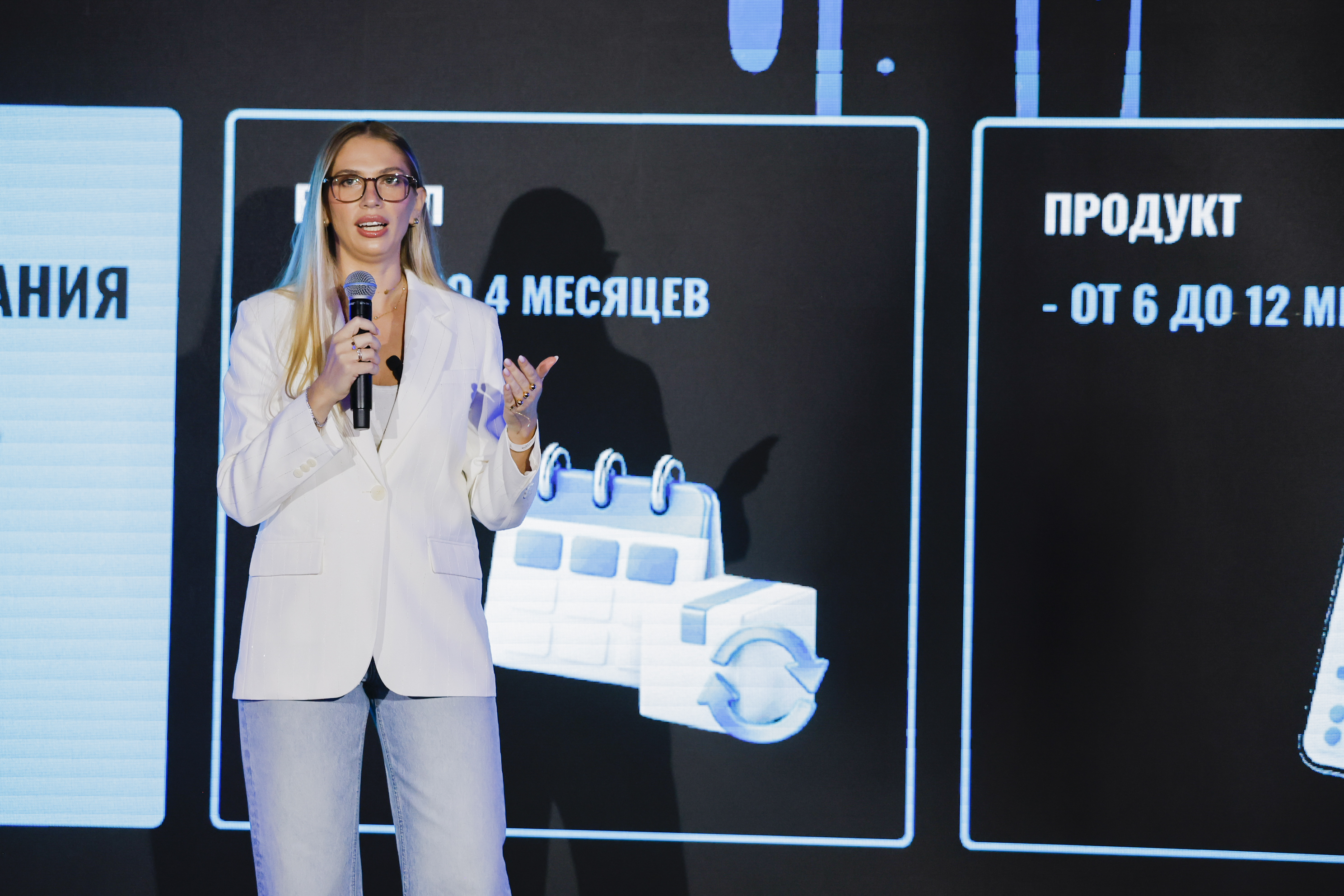
Anna Sukhanova, CEO of Gentle Partners and Graffiti Partners, gave her first conference talk, introducing Graffiti Partners, a product affiliate programme and direct advertiser she has led for more than four months, as well as her iGaming Puzzle expert streams and the Gentle Partners Media YouTube channel.
The affiliate community meets again at Affiliate Grand Slam Rome from 02 to 05 November 2026 at Fiera Roma. It is the place to line up new traffic sources and partners for 2027, with 5,000+ delegates, more than 270+ exhibitors, and 50+ speakers, and a ticket also gives access to SiGMA, AIBC, and FX.World.
Make the trip count
The value of a conference is ultimately measured by what you take home from it: the people you met, the opportunities you uncovered, and the ideas worth acting on next.
AGS Rome puts all three within reach. Over four days, delegates can meet businesses from across the performance marketing ecosystem, explore new verticals and traffic opportunities, hear how others are approaching growth, and extend their reach into three additional conferences with the same ticket.
Get your ticket today at the newly launched Affiliate Grand Slam Rome, 02–05 November 2026.