- AGS Events
- Meetups
- News
- Magazine
- Media Partners
- About

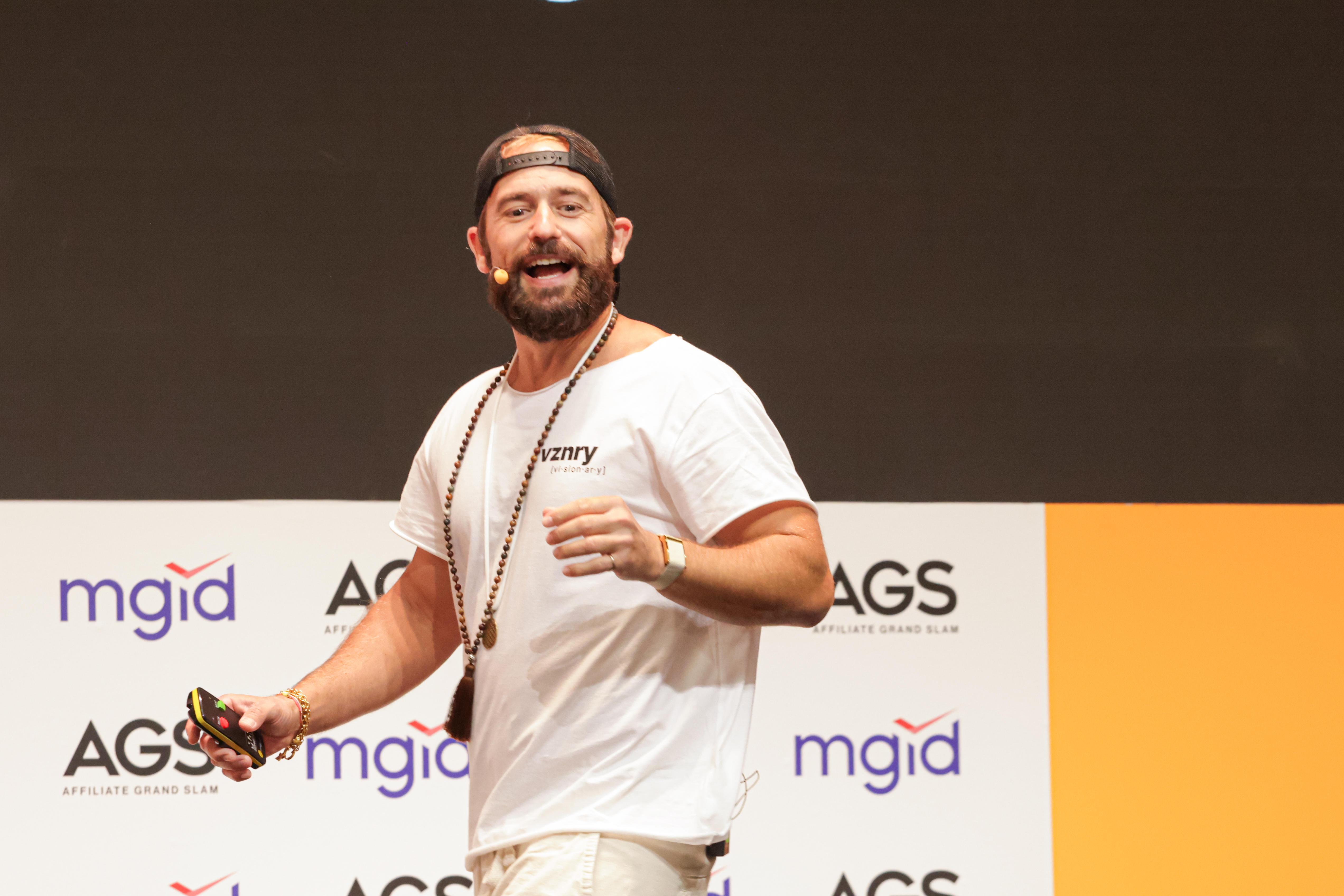
Philipp Schoeffmann’s studio makes creatives in large volumes. In his session “Steal Our Best Ads: What Won Across 28,936 Creatives” at SiGMA World Rome on 04 November, he went through what the winners have in common and how his team builds them with AI.
Schoeffmann argued that most brands simply do not run enough of the right ads. Big names keep a modest number live, while fast-growing brands run vastly more and usually come out ahead. That is because platforms now decide who sees an ad by reading the ad itself, so the creative does the targeting. In Schoeffmann’s words, “If you run one ad, you basically have one target audience. If you run 1,000 ads, you can potentially have 1,000 different audiences”.
But volume only helps when the ads differ. Meta lumps near-identical ads into one creative, so small tweaks buy very little. His studio aims for many genuinely different ideas live at once, quick lessons from each, and fast backing for whatever wins. It calls this creative liquidity, and AI is what makes it affordable.
The starting point is an ad that has already won. The team keeps the script, rewrites a few words, and swaps one thing per version: the face, the hook, the product, the setting. The face does the most work, because the same message then lands with a different audience. Hooks can change too, but they need to be clearly different, or the platform lumps them together and gives them little spend.
The videos in that demo belong to the format Schoeffmann considers best in UGC right now, the “yapper”, an AI-generated creator talking straight to camera. It is hard to pull off, though. Viewers who smell AI can turn against the brand, and younger audiences smell it fast, so the production has to be good.
Get that right, and AI can even beat real creators, since one winning concept can be tested in far more granular versions. For the making itself, Schoeffmann advised keeping prompts simple. “The real magic is in the references that you give to the model”, he explained. Characters should start from a real person’s photo that AI then reshapes, never from a prompt describing a face.
Cartoon ads are easier to make than a convincing yapper, and singing ones are in fashion. The song comes first and needs a real storyline, with a problem, a solution, and a call to action. Animation can also carry more emotion than actors manage. “Think Pixar, but double, triple as extreme”, Schoeffmann told the room.
Story ads, which cost more to make, work like old video sales letters without feeling like them. One example opens with a scientific study, then follows a relatable character through her dating troubles until the product turns up. Schoeffmann called them the most undervalued ads around.
Newer still are micro dramas, a sort of TV for TikTok, and the platform now has a dedicated ad format for them. Viral ads come last: a trending clip stitched onto a product, like the knight challenged by his grill that Schoeffmann showed. They bring cheap reach but few clicks, unless the ad builds a clear link from the joke to the product.
Choosing among these formats starts with watching the market. Schoeffmann’s team runs a system that scrapes the platforms around the clock and turns what it finds into ideas. “Every single day I have hundreds of things that I wanna recreate”, he said.
Each batch of ads has to beat the last, so the team works out why an ad won, bets on what might do better, tests it, and looks at the results before going round again. Good teams do this daily rather than monthly, in Schoeffmann’s view.
With Rome behind it, AGS is already looking ahead: new summits are coming in 2027. Stay tuned: city and date announcements are coming soon!