- AGS Events
- Meetups
- News
- Magazine
- Media Partners
- About

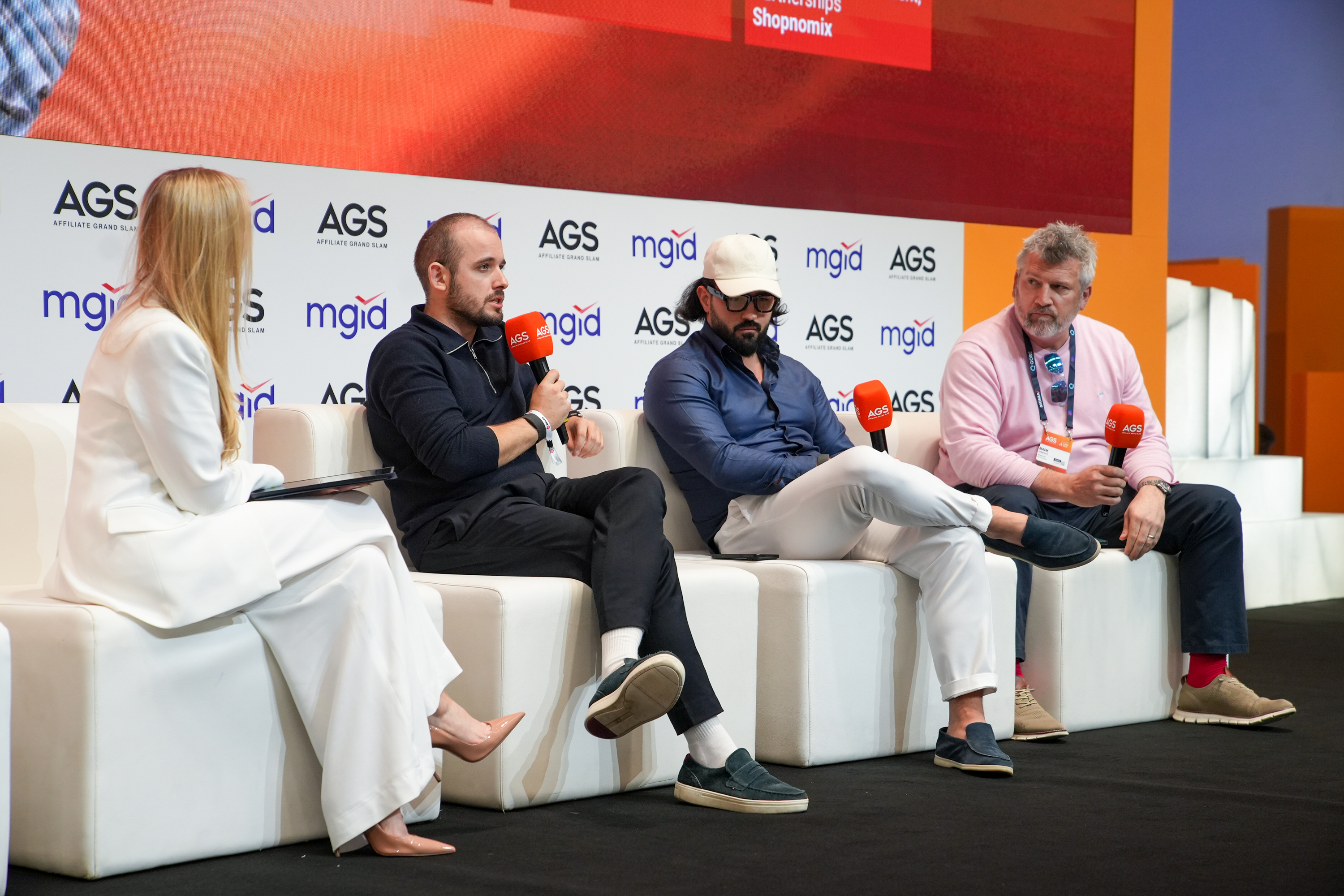
AI can speed up ad production, but e-commerce growth still depends on understanding the customer. That distinction shaped the discussion at AGS Rome 2026 on 05 November. The Day 3 panel, The New E-commerce Playbook: AI, Acquisition & Customer Experience, explored where automation delivers useful results. Customer research, human judgement and the ability to bring buyers back remained central to the conversation.
Jess Vassallo, founder and CEO of Evocative Media, moderated the discussion. Alexander Lodeweyckx, CMO at Sheko and co-founder of ForesightiQ, was among the panellists. Ajdin Brković, founder and CEO of MonetizeAd, joined the discussion. Mark Grimshaw took part as Shopnomix’s executive vice president of partnerships.
Brković started with retention, describing call-centre follow-ups, loyalty programmes and coupons that encourage customers to return. “So, for me, it’s definitely how many times you’re gonna pay for the same customer.” His preferred measure compares customer lifetime value with acquisition cost. That becomes especially important in smaller markets, where the pool of potential buyers can run out.
Lodeweyckx also pointed to opportunities within a brand’s existing audience. Referrals and loyalty programmes give satisfied customers ways to bring other people into the business. Adding relevant products can create further opportunities to sell to the same audience. His emphasis was on products serving related needs, helping the business increase customer lifetime value.
Acquisition prompted different priorities across the panel. Lodeweyckx argued that one or two profitable channels often account for most of a large brand’s growth. His emphasis was on Meta, influencer teams and advertising through creators’ or ambassadors’ pages. Brković cautioned against relying on a single campaign or channel. Grimshaw urged brands to explore additional distribution through browsers, handset manufacturers and content creators.
“Would those sales have come to you anyway?” Grimshaw asked. His measure was incrementality: identifying purchases that would not have happened through the brand’s existing activity. Return on advertising spend and conversion figures remained important, but did not answer that question on their own. He argued that finding different distribution channels need not always require additional media spending.
For Lodeweyckx, e-commerce growth still depends on understanding why customers buy and how they use the product. Post-purchase surveys supply information about discovery, motivations and different uses. AI can then help analyse that material and produce better briefs and assumptions to test. Making another advert cheaper does not remove the budget needed to test whether it works.
Lodeweyckx described a workflow that combines research data, automated briefing, and human checks. Strategists assess the briefs, while designers review the resulting creative. Despite workflow savings, he remained critical of AI-generated content, estimating that only around 2% of those adverts worked.
Grimshaw also stressed learning from creative results, including understanding why a particular image or video performs. That feedback informs further creative, targeting and product matching. Shared algorithms do not remove the importance of a brand’s own customer data. Human judgement still determines which partnerships to build and where to invest.
Brković described quality control and personalisation as major areas of benefit from AI. Call analysis helps identify potential advertising-policy issues for staff to investigate with affiliates. The same system also identifies satisfied customers who might provide filmed testimonials. MonetizeAd then shares that material with affiliates as an alternative to more aggressive advertising.
Physical retail adds another part of that relationship. Brković described moving online brands into stores, giving customers somewhere to see the products in person. His team uses customer locations to identify areas for retail distribution and directs existing buyers towards nearby stores. The aim is to connect online reach with the trust and repeat purchases that physical availability can support.
Grimshaw put the second purchase at the centre of a smoother customer journey. Lodeweyckx recommended examining customer groups by product, funnel and channel to understand retention and lifetime value. His test for e-commerce growth was total profit, weighed against the work needed to generate it. He also urged brands to identify which customer needs they already serve and which audiences remain unreached.
TrafficStars supports AGS Rome 2026 as main sponsor. It connects advertisers with large-scale premium inventory across global markets, offering both self-serve and fully managed campaign options.
Join us for the final day of AGS Rome 2026 on 05 November. Visit Affiliate Grand Slam for today’s programme and event details.