- AGS Events
- Meetups
- News
- Magazine
- Media Partners
- About

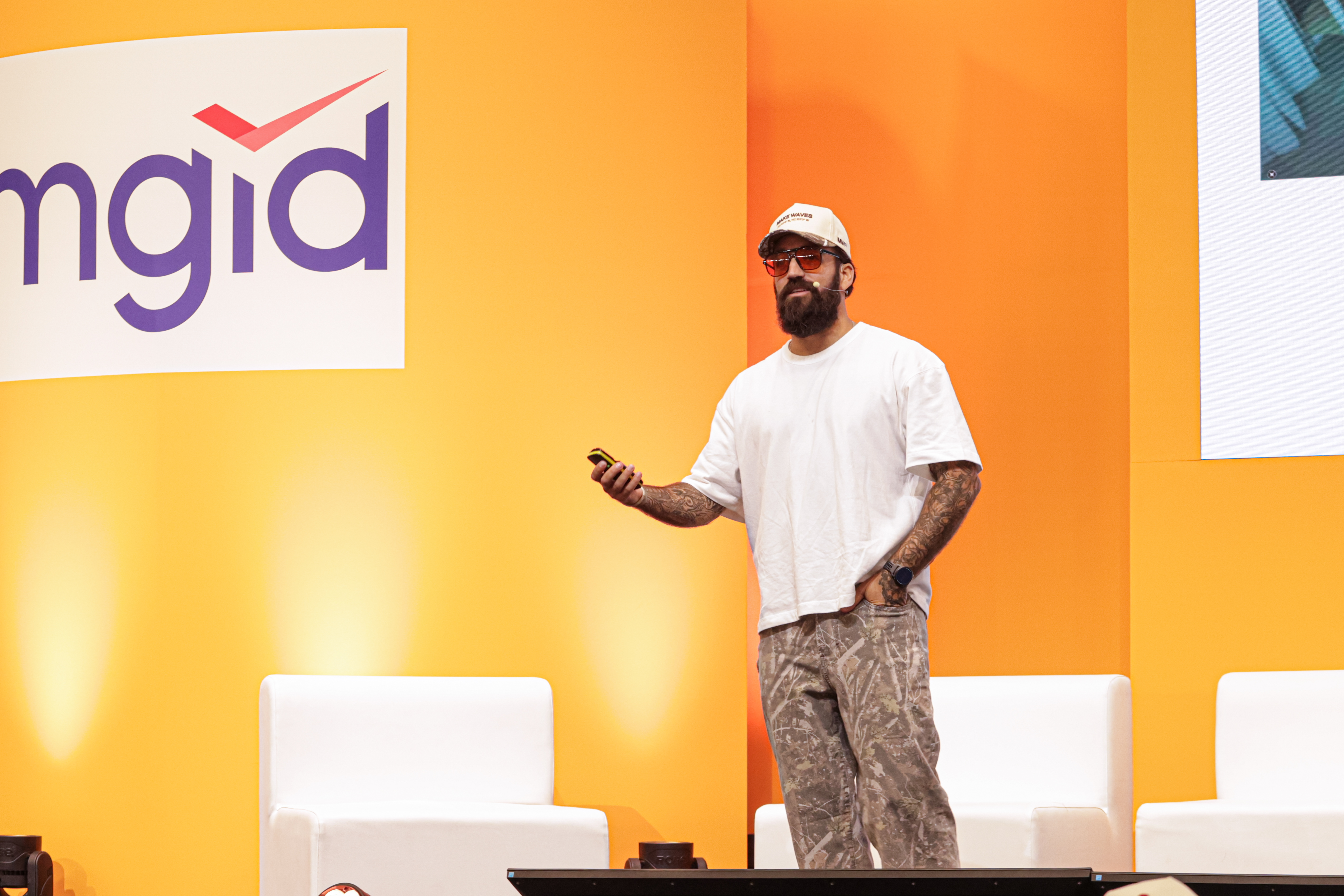
Nick Shackelford unpacked subscription growth at AGS Rome 2026 on 04 November. The BREZ partner’s Day 2 keynote, Subscribe and Scale: Beyond Just the First Purchase, explored four subscription business types. Each shape describes a different balance between attracting subscribers and keeping them. His advice was to identify that pattern before deciding what to fix.
Shackelford said acquiring a beverage customer through paid advertising could cost his businesses $115. That cost makes repeat purchases important, because the first order may not justify the acquisition spend. He argued that brands need to think about the relationship after someone first tries the product.
The crashing wave attracts many customers, then loses them quickly. Shackelford described businesses with great advertising and compelling offers that neglect the customer experience after the sale. Heavy introductory discounts can bring in shoppers who only wanted a cheap trial. Those subscribers disappear when the next charge is processed, thereby limiting how far the business can grow.
In one example, he reported an 85% subscription take-up rate and 26% churn in the first month. He wanted fewer people joining if that meant attracting customers more likely to stay. His priority was the sharp drop between the second and third orders. He urged brands to inspect that point and reconsider the depth of their introductory offers.
The underground spring keeps customers, but attracts new subscribers too slowly. Shackelford described a product with monthly churn below 8% because it delivered on its promises. He said the subscriber base compounded without extra work or more traffic. The difficulty was acquiring enough new subscribers to accelerate subscription growth.
He used BREZ to discuss product choice, customisation and subscription pricing. He recommended variety packs so customers could try different flavours before finding their preference. He also highlighted options such as eight-, twelve-, or sixteen-packs.
The ebbing tide gains customers but gradually loses ground as subscribers leave. Shackelford described monthly churn of 10% to 20% as a problem teams could work on. He suggested working on churn and acquisition simultaneously, with different teams handling each.
“When you’re dealing with a subscription-based brand, you’re generally gonna live in two areas: churn reduction, and offer creation. It’s usually not a traffic problem.”
He described three offer tiers: $25 or less, $65 or less, and $150 or more. Deeper discounts, he argued, do not improve landing-page conversion but hurt retention. He described same-day cancellations as a recurring problem in those offers. He focused on changing the offer and testing the depth of the introductory discount.
The olive tree combines strong subscription take-up, low churn, and a compounding customer base. Shackelford described this as the model he wants his businesses to achieve. His example involved replacement pads that attach to ceiling fans and catch dust when the fan runs. The product came with a free tool for attaching the pads. He argued that visible dust and the need for replacements gave customers reasons to keep subscribing.
Shackelford also discussed the timing of deliveries and renewal messages as factors in subscription growth. He recommended clear renewal reminders and options to skip or delay deliveries. He also suggested testing a 45-day cycle when customers report having too much product on a 30-day schedule.
TrafficStars is the main sponsor of AGS Rome 2026. It connects advertisers with large-scale premium inventory across global markets, offering both self-serve and fully managed campaign options.
Join us at AGS Rome from 02–05 November 2026 for more insights from affiliates, advertisers and performance marketers. Visit Affiliate Grand Slam for the full programme and event details.