- AGS Events
- Meetups
- News
- Magazine
- Media Partners
- About

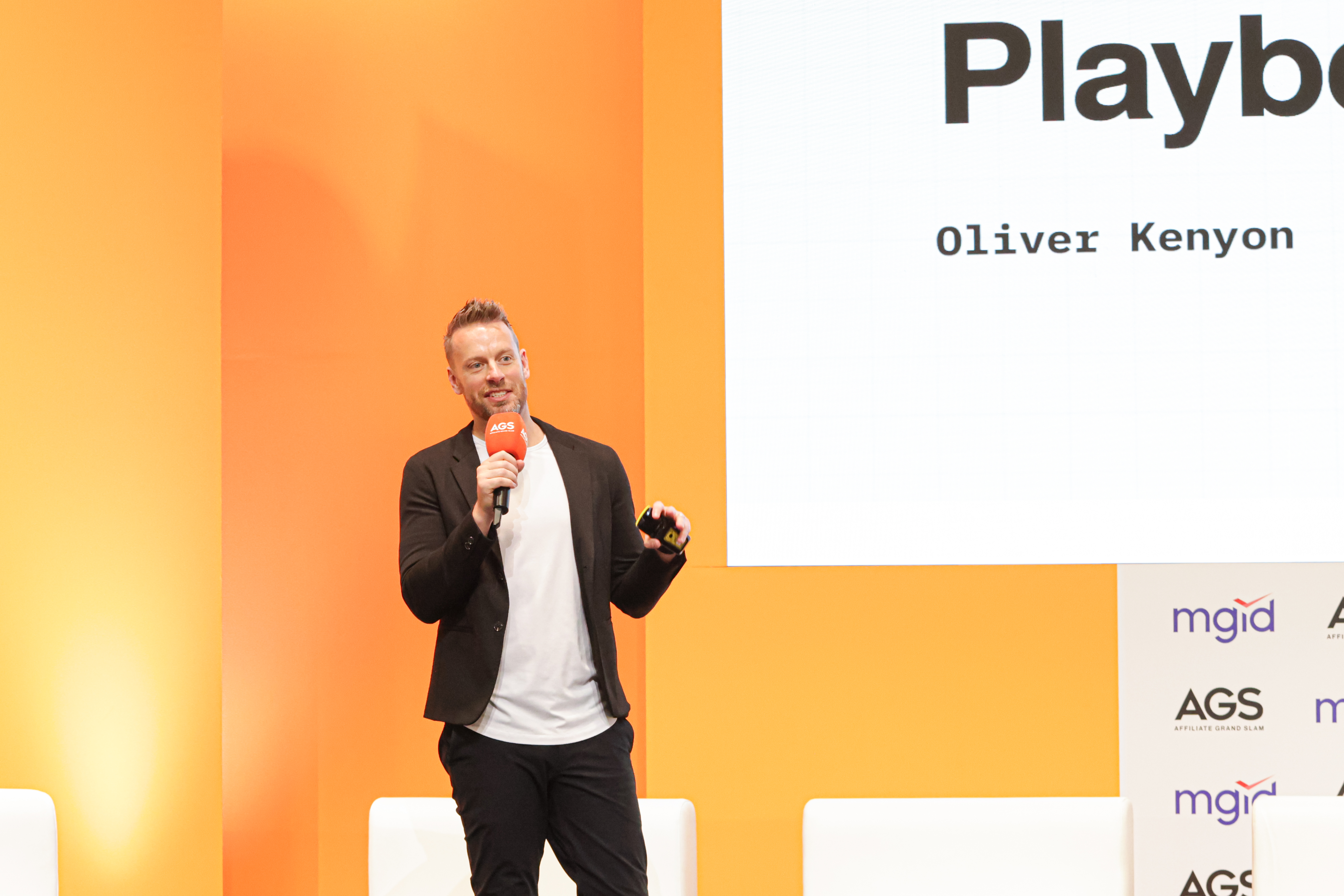
Oliver Kenyon urged affiliates to rethink landing page optimisation at AGS Rome 2026 on 04 November. The ConversionWise Co-Founder and CEO’s Day 2 keynote was The Affiliate Landing Page Playbook. He put his team’s total at more than 9,000 landing pages. The talk connected that experience with a practical challenge: matching each advert’s promise to the page visitors reach afterwards.
Kenyon defended established methods: “Best practices 100% do exist in landing page optimisation, and I will die on this hill. We have done this for 13 years.” Those foundations include social proof, trust, clear benefits and one call to action. Data helps teams decide where to apply them.
Heatmaps reveal where visitors scroll and where they stop. Without that information, teams risk adding sections that visitors never reach. Session recordings provide another view of how people use the page. Product image carousels also offer space for reviews and trust signals, particularly when visitors browse images before scrolling further.
Surveys after purchases or form submissions can reveal what influenced the decision. The first question asks what prompted the purchase or enquiry. The second asks what almost stopped it. Uncertainty about delivery times, for example, gives brands a specific concern to address above the fold.
For Kenyon, landing pages need to reflect the audience, advertising angle and level of awareness. “One landing page is not good enough. You need to be ticking all of these boxes based on personas, based on stages of awareness, and based on where these people are coming from”. His playbook covers five page formats working right now.
First, advertorials give affiliates space to tell a story and prepare visitors for the offer. Emotive copy connects the product with a situation the audience recognises. The offer belongs on the page itself. Kenyon also suggested testing a direct route from the advertorial to checkout once visitors have enough information to make a purchase.
Next come listicles, which give solution-aware visitors clear reasons to choose a product. Clear headlines and concise points make the argument easy to scan. An offer at the bottom provides the next step. His team was also testing a mobile version with one point per page, allowing visitors to swipe through.
Another option is a comparison page for visitors who already know the product. Direct comparisons explain how an offer differs from alternatives. Top-ten pages organise competing products within the same category. Both give affiliates space to make their case before sending visitors to the final offer.
Quiz funnels provide a more personalised route when one product addresses different needs. Skincare, for example, can appeal to people with different skin concerns. An easy first question starts the process, with requests for personal information coming later. When asking for an email address, the page should explain what useful result the visitor will receive.
Finally, direct-response sales pages give teams control over the layout and sales narrative. Long-form copy and video sales letters remain part of Kenyon’s approach. These pages combine social proof, trust signals and answers to customer objections. For one pet-products brand, he reported a 33% rise in average order value using a direct-response page.
Kenyon’s landing page optimisation checklist contains five elements above the fold. “90% of the work of a landing page is above the fold, whether you believe it or not”. First comes a clear value proposition that explains the benefit within three seconds. Second, benefit-led bullet points show what the customer gains from the product or service.
Third comes relevant social proof, such as testimonials or reviews. Fourth, trust signals establish credibility through details such as the number of customers or how long the business has been operating. Fifth, one clear call to action tells visitors what to do next. That next step should be simple, without sending people down multiple paths.
TrafficStars is the main sponsor of AGS Rome 2026. It connects advertisers with large-scale premium inventory across global markets, offering both self-serve and fully managed campaign options.
Join us at AGS Rome from 02–05 November 2026 for more insights from affiliates, advertisers and performance marketers. Visit Affiliate Grand Slam for the full programme and event details.