- AGS Events
- Meetups
- News
- Magazine
- Media Partners
- About


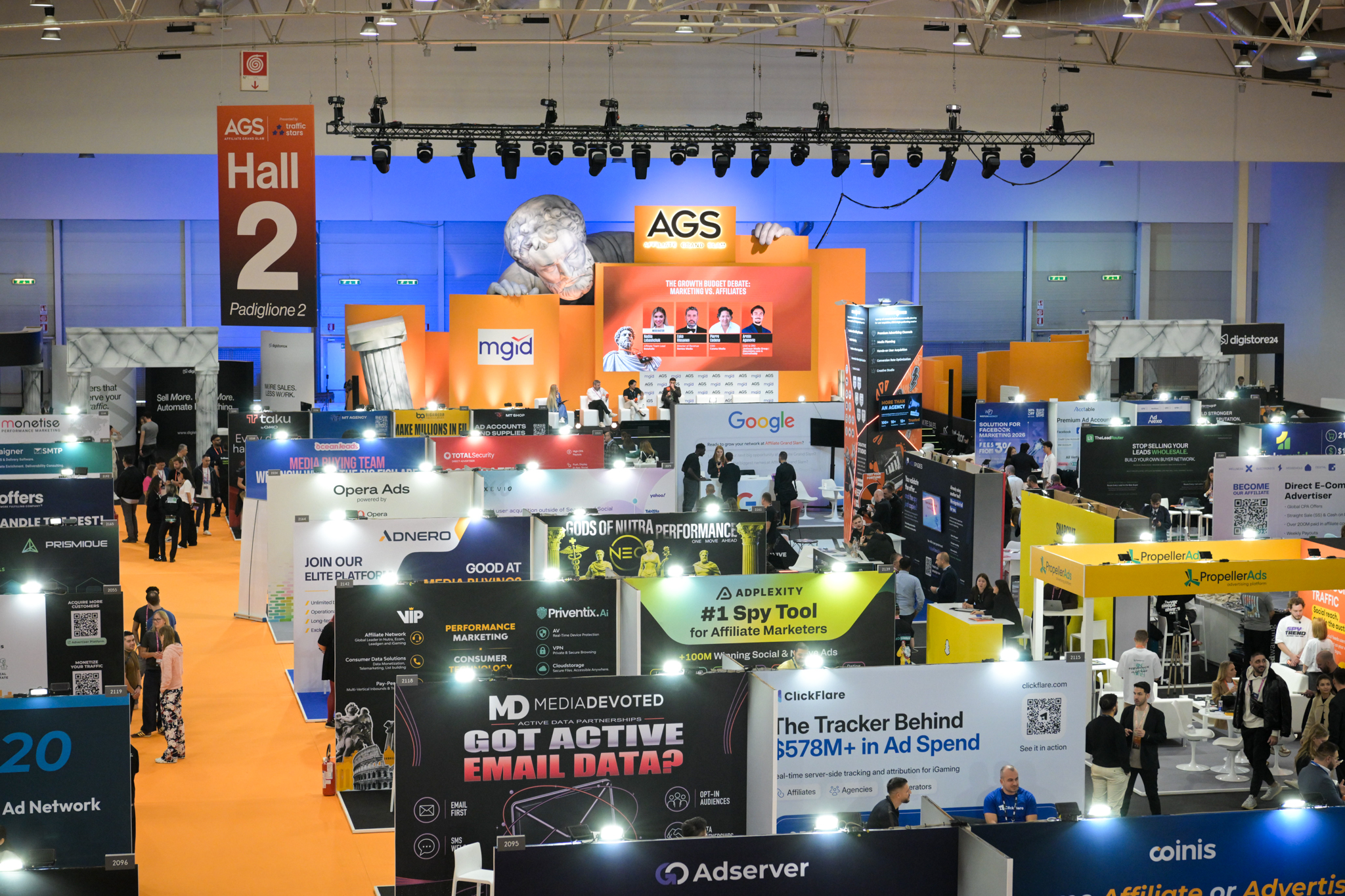
Affiliate events can be worth the investment, but Matej Cechvala has seen why the return varies so much. The COO of SiGMA has experienced events from three sides: as an affiliate, an exhibitor, and now an organiser. That gives him a clear view of what works before, during, and around an event. In a Trackdesk webinar with Alejandro Albi, Matej shared the habits that tend to separate productive trips from expensive ones.
Matej’s first filters were simple: vertical and geography. A large event can still offer little value if its audience does not match your business. Language and team capabilities can also affect whether those conversations lead anywhere.
“The best outcomes are when you prepare for it,” he said. That starts with researching the event, the companies attending, and the audience you want to reach.
For Matej, that preparation also means being realistic about where your business can compete. A company targeting one GEO may gain little from an event focused somewhere else. The same applies when your team lacks the language skills needed for that market.
Matej recommends checking the event website, floor plan, app, LinkedIn, and industry groups before travelling. These sources can help identify companies and people worth contacting early. Waiting until the event starts can leave you competing for already full calendars.
He learned that lesson from his own first experiences at events. “I was kind of expecting everyone to come to me, to network,” he said. Eventually, he realised that attending still requires active outreach.
People are there to make business connections, so approaching someone with a relevant reason to talk is normal. Affiliate events become more useful when delegates know who they want to meet and why.
Accommodation can influence how much of the event you actually access. For smaller conferences, Matej recommends staying close to the official venue where possible. At the same time, larger events require a different approach.
Side events, meetups, and private gatherings may take place elsewhere in the city. That can make a central location more useful for some delegates. Matej also recommends joining event groups to see where people are staying and which side events require applications.
These conversations outside the main venue can be included in the overall return. They create more time to meet people without trying to fit everything into exhibition hours.
Booking a stand does not automatically produce good leads. Matej has managed booths and watched neighbouring exhibitors lose visitors because their teams seemed unapproachable.
“You really need to have the right people at the booth,” he said. Staff need to communicate clearly and know when a conversation has potential.
He also recommends assigning roles around each team member’s strengths. Some people are better at starting conversations, while others are stronger at selling or handling detailed questions. That division can make a team more effective during busy exhibition days.
Matej also prefers short introductions over long sales pitches. Explain what you do, ask questions, and find out whether there is a reason to continue. Delegates are moving quickly, so clarity helps both sides use their time better.
Merchandise can help if it is useful. At one event, his team handed out bags to people carrying merch with nowhere to put it. About 50 attendees then walked around the venue with the logo.
Matej’s experience suggests they can be, provided the audience is right and preparation starts early. Simply arriving, booking a booth, or collecting contacts does not guarantee a return.
The stronger results come from choosing the right affiliate events, researching the audience, booking meetings, and putting the right people forward. The full conversation goes further into event ROI, booth strategy, follow-ups, and Matej’s five networking tips.
Watch the full webinar with Matej Cechvala and Alejandro Albi.